When people think of D.H. Lawrence’s infamous 1928 novel, Lady Chatterley’s Lover, their minds usually go straight to one place: the courtroom. For decades, the book was banned, scandalous, and whispered about in secret due to its explicit descriptions of sexuality.
But if you read it only for the romance, you are missing Lawrence’s true, urgent battle cry.
Beyond the love affair between Connie Chatterley and the gamekeeper Oliver Mellors, the novel is a brilliant, angry critique of industrialization and a defense of the natural world. It is a story about how modern society disconnects us from the earth—and how rediscovering nature is the only way to save our humanity.
The Grey: Wragby Hall and the Death of the Soul
The novel sets up a stark visual and emotional contrast between two worlds: the mechanized world of the ruling class and the untamed world of the forest.
Connie’s husband, Clifford Chatterley, represents the “Grey.” Bound to his wheelchair after WWI, Clifford channels all his energy into the local coal mines. He is obsessed with efficiency, machinery, and industry. Under his rule, the family estate, Wragby Hall, feels sterile, cold, and dead.
Lawrence uses the surrounding mining towns to show the physical damage of this mindset: the air is thick with smoke, the soil is black with soot, and the workers have been turned into literal extensions of the machines they operate. Clifford’s paralysis isn’t just physical; it represents the emotional death of a society that prioritizes money and industry over human connection and nature.
The Green: The Forest as a Sanctuary of Rebirth
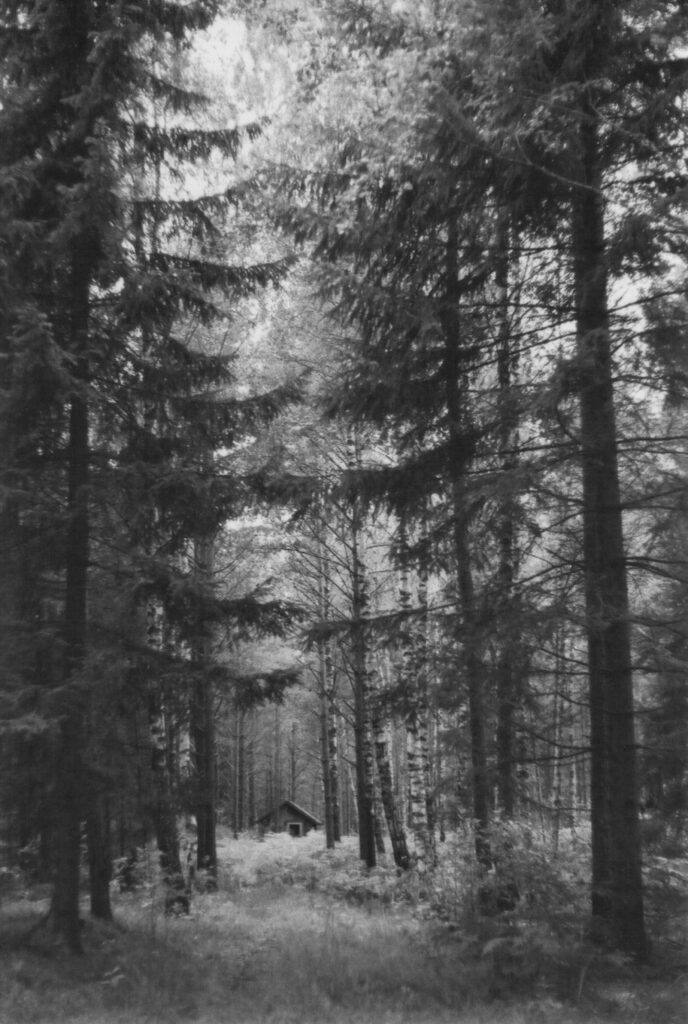
On the other side of the estate lies the wood—the “Green.” This is the realm of Oliver Mellors, the gamekeeper who lives in isolation, protecting the local wildlife from the encroaching industrial world.
When Connie steps into the forest, her transformation begins. Lawrence writes about the woods with breathtaking, sensory detail. It is a place of mud, rain, nesting birds, and blooming anemones. In the forest, Connie isn’t just escaping her unhappy marriage; she is escaping the suffocating cages of class and technology.
       [ Wragby Hall ]                      [ The Forest ]
   Industrialization & Logic            Nature, Body & Emotion
          (The Grey)                         (The Green)
               \                                 /
                \                               /
                 --> [ Connie's Awakening ] <--
Mellors and Connie’s physical relationship is deeply tied to this environment. Their love is not “dirty” or mechanical; it is organic, unpredictable, and wild—just like the forest itself. By reconnecting with her own body through Mellors, Connie reconnects with the earth.
“We’ve got to live separate from the money-mad, machine-mad crowd. We’ve got to cultivate the wild bits inside us.” — A core theme of Lawrence’s philosophy.
Why This 1920s Novel Matters in the 2020s
We live in an era of doom-scrolling, remote work, and AI, where most of our days are spent staring at glowing screens inside concrete boxes. We are more connected to the “grid” than ever, but completely disconnected from the soil beneath our feet.
This is why Lady Chatterley’s Lover feels so incredibly modern today. Lawrence foresaw the mental health crisis of the 21st century. He knew that when you cut human beings off from nature, they become anxious, numb, and mechanical—just like Clifford.
The next time you discuss Lady Chatterley’s Lover, look past the scandal. Look at the trees. Look at the contrast between the roaring coal mines and the quiet, muddy floor of the forest.
Lawrence wasn’t just trying to shock the public with a love story; he was begging us to put down our machines, step outside, and remember what it feels like to be alive.